
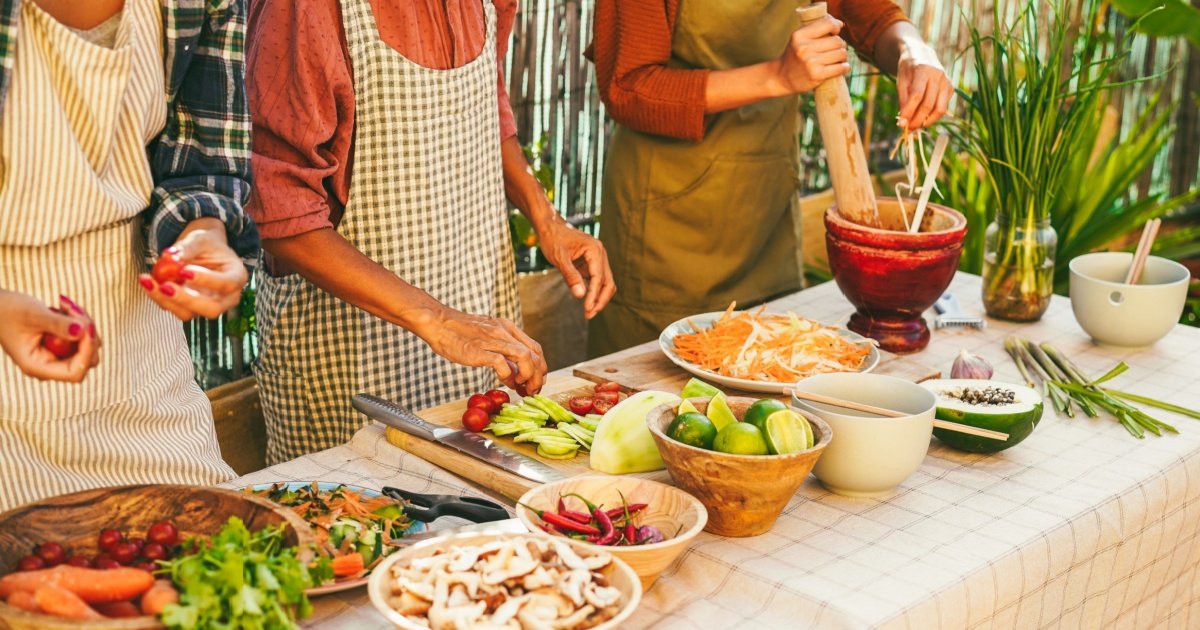
The Bangkok kitchen is where Thailand’s bold flavors and everyday food culture truly come alive. From small home kitchens to open-air street stalls, cooking in Bangkok is fast, expressive, and deeply rooted in tradition. Fresh herbs, sizzling woks, and balanced flavors define how locals cook and eat every day.
In this guide, we explore the Bangkok kitchen beyond recipes. You’ll discover what defines local cooking, which ingredients shape Bangkok cuisine, and how kitchen culture influences street food and home-style meals alike. We’ll also highlight must-try dishes and the best ways to experience authentic Bangkok cooking as a visitor.
👉 To complete your trip planning, don’t miss our detailed Bangkok guides below:
- Bangkok Weather
- Bangkok Hotels
- Flights to Bangkok
- The Grand Palace Bangkok
What Defines a Traditional Bangkok Kitchen
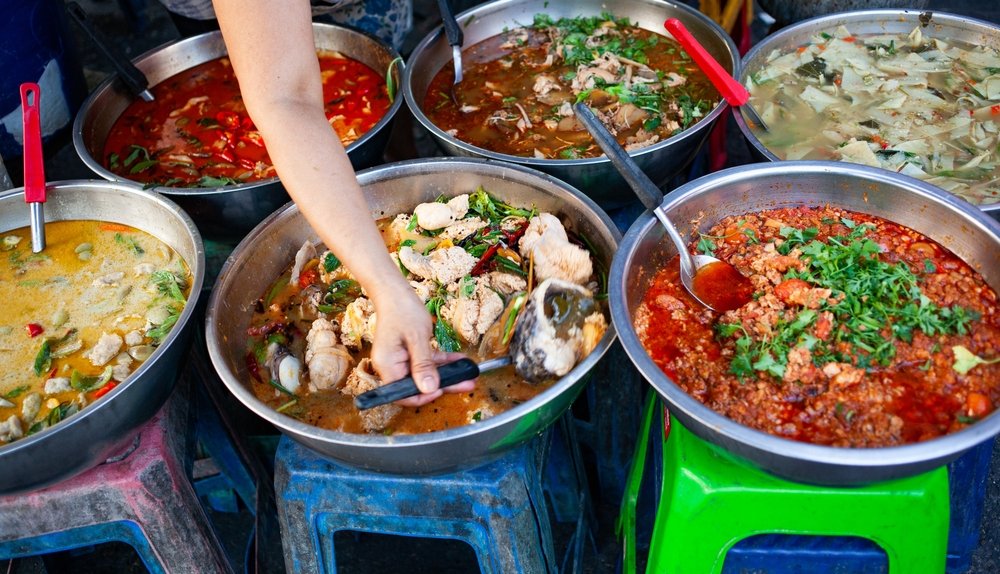
A traditional Bangkok kitchen is defined by speed, freshness, and balance. Cooking is often done in small spaces, with meals prepared quickly and eaten soon after. Rather than elaborate setups, Bangkok kitchens focus on efficiency, using simple tools like woks, mortars, and open flames to build bold flavors in minutes.
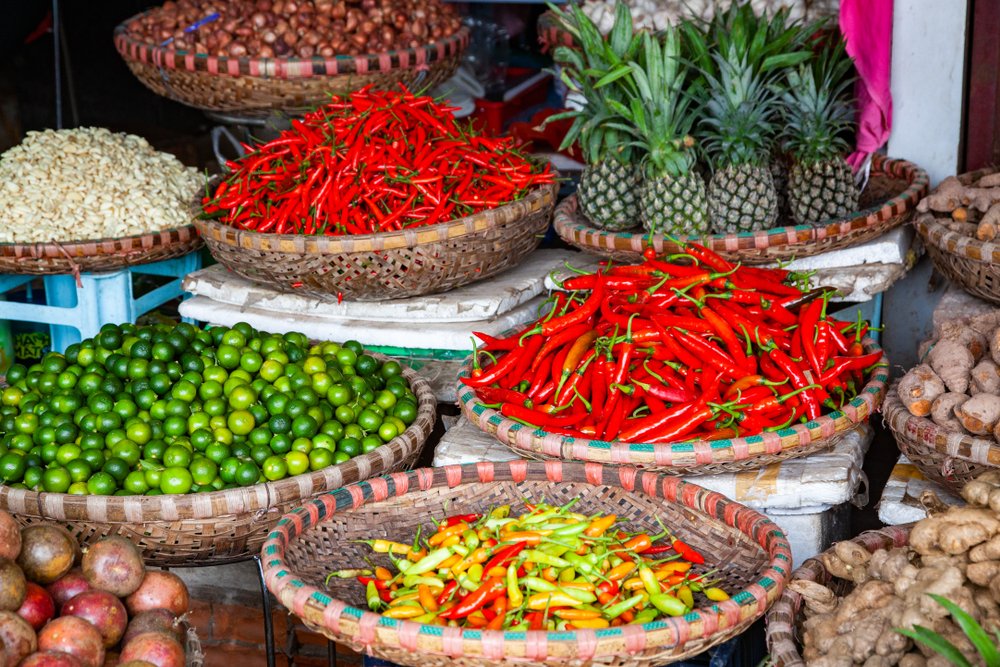
Fresh ingredients play a central role in every Bangkok kitchen. Herbs, chilies, and aromatics are used daily, often purchased from local markets the same morning. This close connection between kitchen and market is what gives Bangkok cuisine its vibrant, just-cooked character and makes food an essential part of everyday life in the city.
Explore Bangkok Kitchen Culture More Closely:
6 Essential Ingredients in a Bangkok Kitchen
Every Bangkok kitchen is built around a small set of bold, aromatic ingredients that define local cooking. These ingredients are used daily and combined in different ways to create the balance that Bangkok cuisine is known for.
- 🌿 Lemongrass: Adds a fresh, citrusy aroma and is commonly used in soups, curries, and stir-fries.
- 🌱 Galangal: A root similar to ginger, but sharper and more aromatic, essential in many traditional Bangkok dishes.
- 🌶️ Thai chilies: Used fresh or dried to bring heat and depth. Spice levels vary, but chilies are a constant in Bangkok kitchens.
- 🥥 Coconut milk: Creates richness and balance, especially in curries and slow-cooked dishes.
- 🐟 Fish sauce: The backbone of seasoning in a Bangkok kitchen, adding saltiness and umami to almost every savory dish.
- 🍋 Kaffir lime leaves: Used to perfume dishes with a distinct citrus note, especially in soups and curries.
5 Must-Try Food from a Bangkok Kitchen
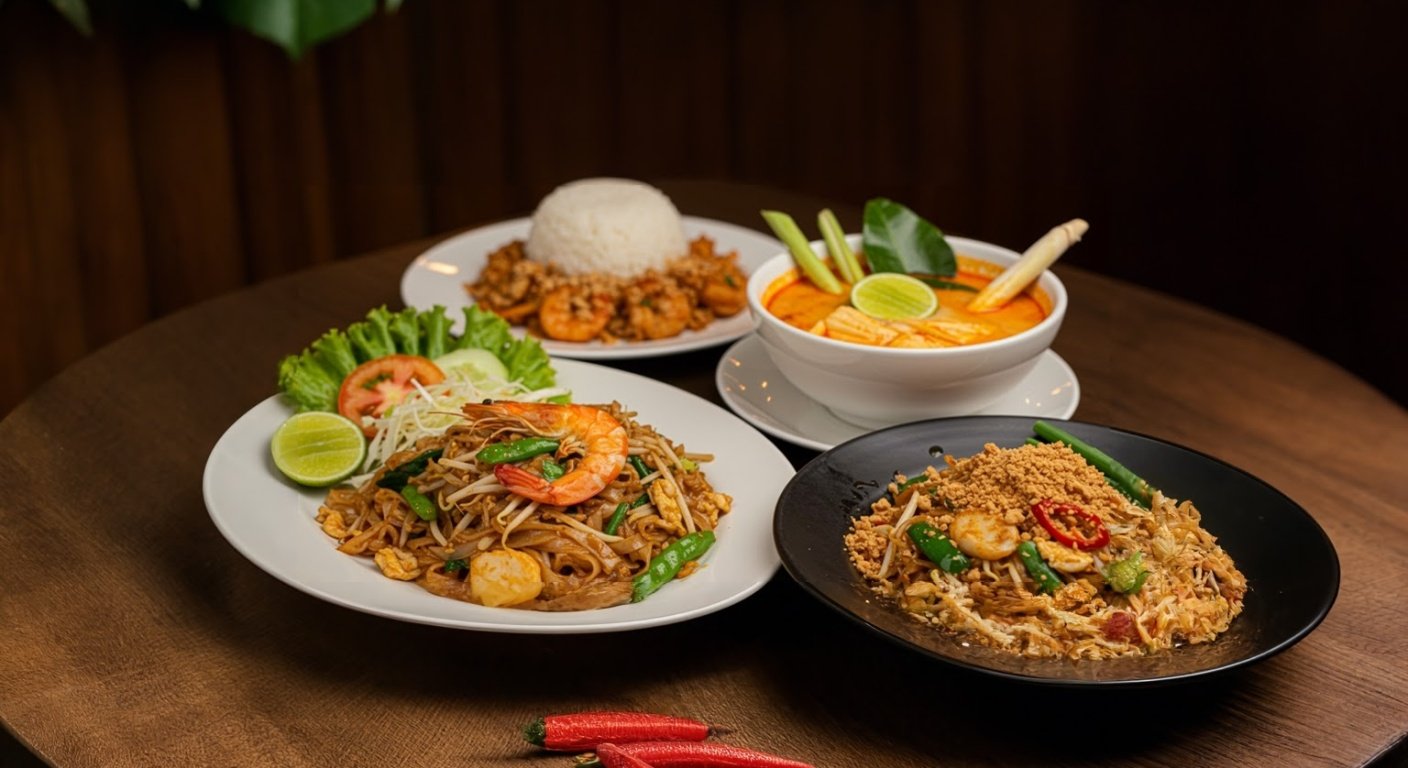
A visit to Bangkok is incomplete without tasting the dishes that define local kitchen culture. These must-try foods are cooked daily in homes, street kitchens, and small local eateries across the city.
- Pad Thai: One of the most famous Bangkok dishes, cooked quickly over high heat with rice noodles, egg, tofu or shrimp, and a perfectly balanced sauce.
- Tom Yum Goong: A hot and sour soup made with shrimp, lemongrass, galangal, and lime leaves. This dish reflects the bold, aromatic flavors found in every Bangkok kitchen.
- Green Curry (Gaeng Keow Wan): A rich and fragrant curry made with coconut milk, green chilies, and fresh herbs, commonly cooked in home-style Bangkok kitchens.
- Som Tam: A spicy and refreshing papaya salad that balances heat, acidity, and sweetness. Often prepared fresh to order in street-side kitchens.
- Mango Sticky Rice: A classic Bangkok dessert combining ripe mango, sweet sticky rice, and coconut milk. Simple, comforting, and widely loved.
Ready to Experience Bangkok Kitchen Culture?
Bangkok Kitchen Through the Michelin Guide
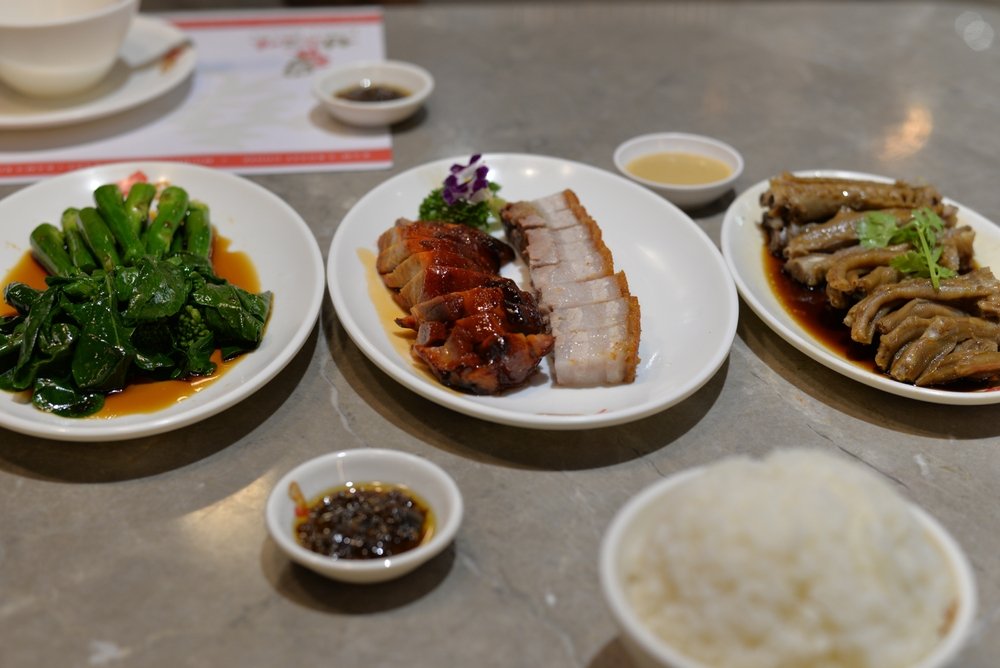
Bangkok’s kitchen culture is internationally recognized through the Michelin Guide, which highlights both refined restaurants and humble street food kitchens across the city. Unlike many destinations, Michelin in Bangkok celebrates not only fine dining but also everyday cooking rooted in tradition.
Several Bangkok kitchens featured in the Michelin Guide focus on classic recipes, fresh ingredients, and precise cooking techniques rather than luxury settings. This reflects how Bangkok cuisine values flavor, balance, and authenticity above all else. From small family-run kitchens to long-established local eateries, Michelin recognition in Bangkok often rewards consistency and cultural integrity.
>> Bangkok: Michelin Guide Street Food Tour by Tuk Tuk
>> Bangkok: Tuk Tuk Adventure Chinatown Michelin Food & Temples
Floating Markets and Bangkok Kitchen Culture
Floating markets are one of the most distinctive expressions of Bangkok kitchen culture.
Long before modern restaurants became common, food in Bangkok was prepared, cooked, and sold directly from boats along the city’s canals. This tradition reflects how closely local cooking is tied to daily life and waterways.
At floating markets, small kitchens operate on wooden boats, where dishes are cooked fresh to order using simple tools and open flames. Noodle soups, grilled seafood, coconut desserts, and traditional snacks are prepared just a few steps away from the ingredients themselves. The focus is always on freshness, speed, and bold flavor—core elements of every Bangkok kitchen.
Today, floating markets continue to showcase traditional cooking methods while offering visitors a chance to experience Bangkok cuisine in a unique setting. Although some markets are more visitor-friendly than others, they still preserve the idea that good food in Bangkok doesn’t need walls, menus, or formal kitchens—just skill, ingredients, and tradition.
>> Bangkok: Floating Market and Train Market Experience
>> Bangkok: Railway and Floating Market Tour with Dragon Temple
Street Food Kitchens vs Home Kitchens in Bangkok
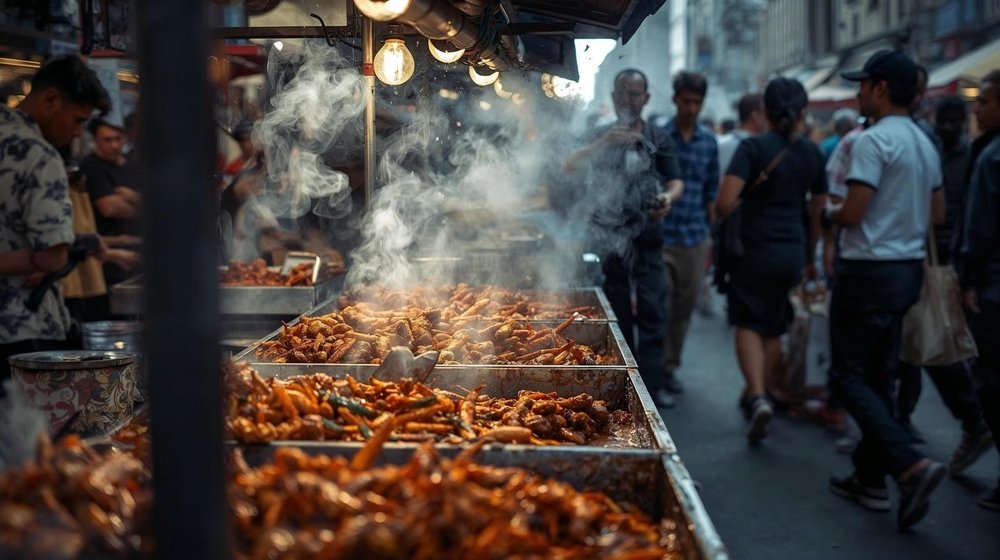
Street food kitchens in Bangkok are built for speed and visibility. Cooking happens in open-air stalls, often right in front of customers, using woks, grills, and steaming pots. Dishes are prepared to order, with high heat and minimal equipment, making street kitchens a daily dining choice for locals as well as a must-try experience for visitors.
Home kitchens, on the other hand, are more personal and slower-paced. Meals are often cooked for family gatherings or shared with neighbors, focusing on traditional recipes passed down through generations. While the ingredients and flavors remain similar to street food, home cooking allows more time for simmering curries, balancing spices, and adjusting flavors to personal taste.
> Together, street food kitchens and home kitchens show why Bangkok cuisine feels both dynamic and deeply rooted. One represents the city’s energy and rhythm, the other its traditions and everyday life. To truly understand the Bangkok kitchen, experiencing both is essential.

Bangkok Kitchen After Dark: Food at Night
When the sun goes down, the Bangkok kitchen comes alive in a different way. Nighttime food culture is an essential part of daily life, with street kitchens reopening late and serving freshly cooked dishes well into the night.
After dark, many locals head to street stalls for quick meals, late dinners, or casual social gatherings. Grilled skewers, noodle soups, stir-fries, and sweet snacks are commonly prepared to order, using the same fast-paced kitchen style found during the day. For visitors, exploring Bangkok’s food scene at night offers a more relaxed and atmospheric way to experience local cooking.
People Also Ask About Bangkok Kitchen
Bangkok is famous for dishes like Pad Thai, Tom Yum Goong, Green Curry, Som Tam, and Mango Sticky Rice. These foods are prepared daily in street kitchens and home kitchens across the city and represent the bold, balanced flavors of Bangkok cuisine.
Bangkok Kitchen serves traditional Thai cuisine with a strong focus on fresh ingredients, fast cooking, and balanced flavors. It reflects Bangkok cuisine at its core, combining sweet, spicy, sour, and salty elements through stir-fries, soups, curries, and grilled dishes.
Eating in Bangkok is generally affordable compared to many major cities. Street food and local Bangkok kitchens offer meals at very low prices, while casual restaurants remain budget-friendly. Higher-end dining and Michelin-recognized restaurants cost more, but Bangkok cuisine offers options for every budget.
Yes, fresh ingredients are essential to every Bangkok kitchen. Herbs, vegetables, seafood, and meats are often sourced daily from local markets. This focus on freshness is a defining feature of Bangkok cuisine and plays a major role in its vibrant flavors.
Thai fried rice is not necessarily unhealthy when eaten in moderation. In a typical Bangkok kitchen, it is cooked quickly using fresh ingredients, vegetables, and protein. The main health factor depends on oil quantity and portion size rather than the dish itself.
Deep-fried dishes and foods high in coconut milk can be among the less healthy options in Thai cuisine when eaten frequently. However, Bangkok cuisine is highly varied, and most kitchens also prepare lighter dishes such as soups, salads, and grilled foods that balance the overall diet.
Conclusion
The Bangkok kitchen is more than a place where food is prepared; it is a reflection of the city’s rhythm, culture, and daily life. From home kitchens and street stalls to floating markets and nighttime food scenes, cooking in Bangkok is shaped by freshness, speed, and balance. Local ingredients, traditional techniques, and bold flavors come together to create a cuisine that feels both deeply rooted and constantly evolving.
For visitors, understanding the Bangkok kitchen means looking beyond individual dishes and experiencing how and where food is cooked. Whether you explore street food kitchens, taste home-style meals, or discover cooking traditions recognized by the Michelin Guide, Bangkok’s kitchen culture offers an unforgettable way to connect with the city.